Who should we reach?
HCP segmentation and digital profiling describe professional contexts, public networks and information affinities. Outputs can include audience profiles and network maps for launch planning.
Home / HCP & Staff Research
HCP insights & healthcare staff research
Understand what healthcare professionals need, how they work and where they get information. Turn HCP and staff research into audience profiles, decision journeys and evidence for your next product or launch.
Choose the question
Research can support a medical device launch, product development, communication or workflow improvement. We define the audience and methods around the decision, then connect findings to actions your team can evaluate.
HCP segmentation and digital profiling describe professional contexts, public networks and information affinities. Outputs can include audience profiles and network maps for launch planning.
Interviews and contextual research explore clinical routines, staff responsibilities, handoffs and barriers. Outputs can include a workflow map and a synthesis of implementation needs.
Concept and message testing explores clarity, relevance, credibility and questions raised by a product or communication. Outputs identify what to retain, revise or investigate further.
Participants & methods
Participants may include physicians, nurses, pharmacists, clinical teams and operational staff. The audience is defined by specialty, role, practice setting and relevance to your question.
Explore needs, decisions and routines in depth. These methods help explain how a professional or staff member encounters a problem and what shapes their response.
Compare responses across a defined sample, explore differences between groups and assess reactions to concepts or messages. Conclusions reflect the study design and sample.
Combine public profiles, following relationships, publications and qualitative review to describe an audience's information environment. Public affinity signals are interpreted alongside professional context.
Featured HCP Research
See how professional networks, information sources and qualitative clinician profiles were combined to support audience segmentation for a medical device launch in breast cancer care.
The challenge
A medical device launch needed a clearer view of the clinicians connected to breast cancer surgery: which professional communities they belonged to, what information they consumed and how they discussed surgical decisions.
The research combined digital profiling, social network analysis and qualitative review to turn public digital signals into an audience segmentation and a more specific communication brief.
Professional network analysis
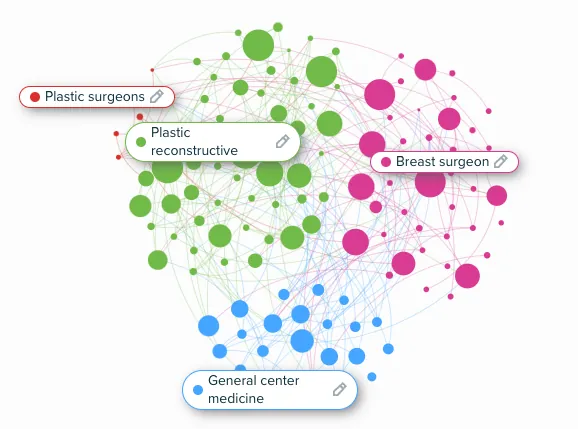
The network analysis identified four connected communities: breast surgeons, plastic surgeons, specialists in plastic reconstruction and general medicine. Their connections placed breast cancer care within a wider professional conversation that also included reconstruction, patient outcomes and clinical practice.
We used this map to organize the audience before looking more closely at individual clinicians. The qualitative review then added context from their publications, interviews and public discussions, connecting professional relationships with the clinical questions they were discussing.
HCP audience insights
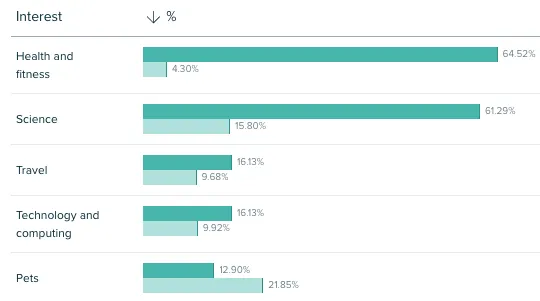
Health and fitness, and science, were the strongest interests shown in the audience profile. Both were substantially higher than the platform’s general US benchmark. Technology and computing also appeared, adding context to a study focused on clinicians’ views of new surgical tools.
These findings helped frame the next research question: what kind of evidence would make a new device clinically relevant to this audience? The qualitative review explored that question through discussions of surgical decisions, margin assessment, patient experience and new technology.

HCP influence and information sources
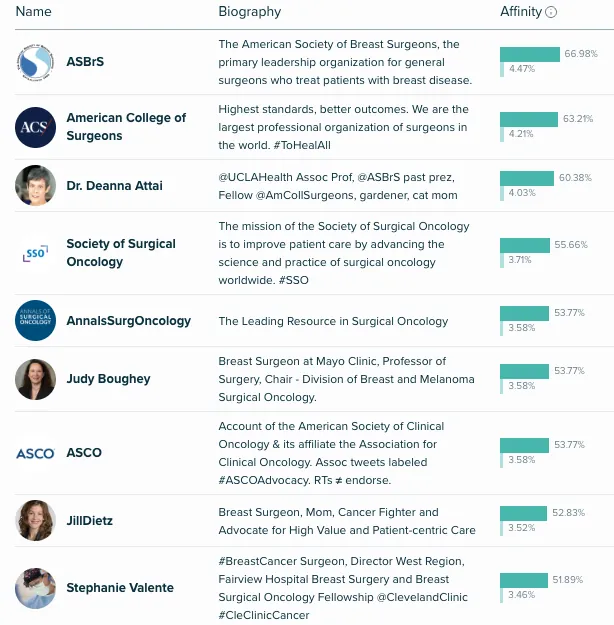
The influence analysis brought together professional societies, individual clinicians, research publications and clinical institutions. The American Society of Breast Surgeons, the American College of Surgeons, the Society of Surgical Oncology and ASCO featured in the profile, alongside clinicians such as Deanna Attai and Judy Boughey.
For medical device launch planning, this is a practical information map. It identifies sources to review for clinical language, evidence discussions and emerging questions. It also helps distinguish the role of institutions from the role of individual clinicians in the professional conversation.
HCP media affinities
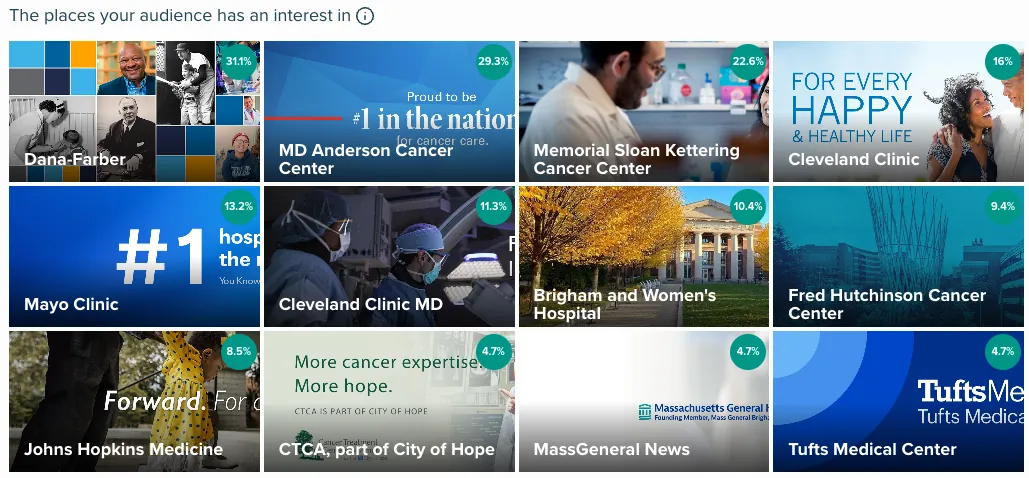
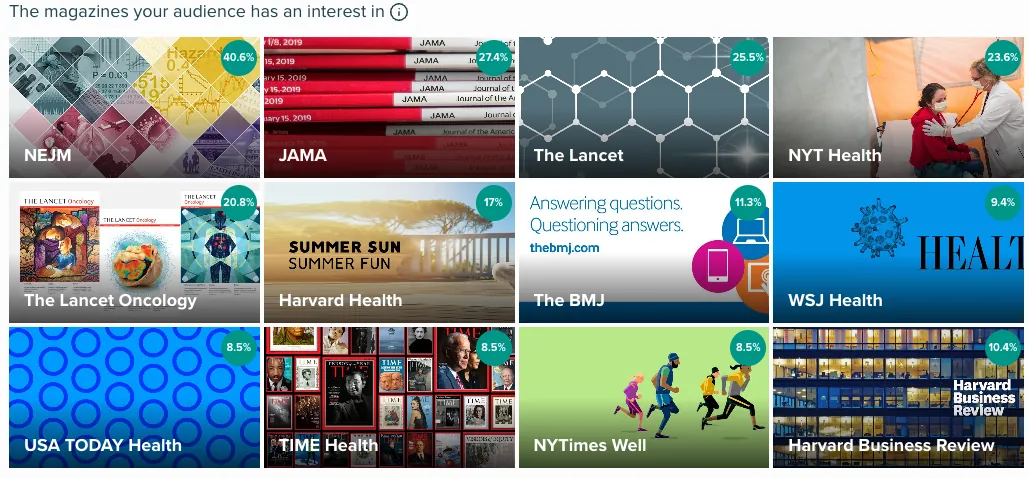
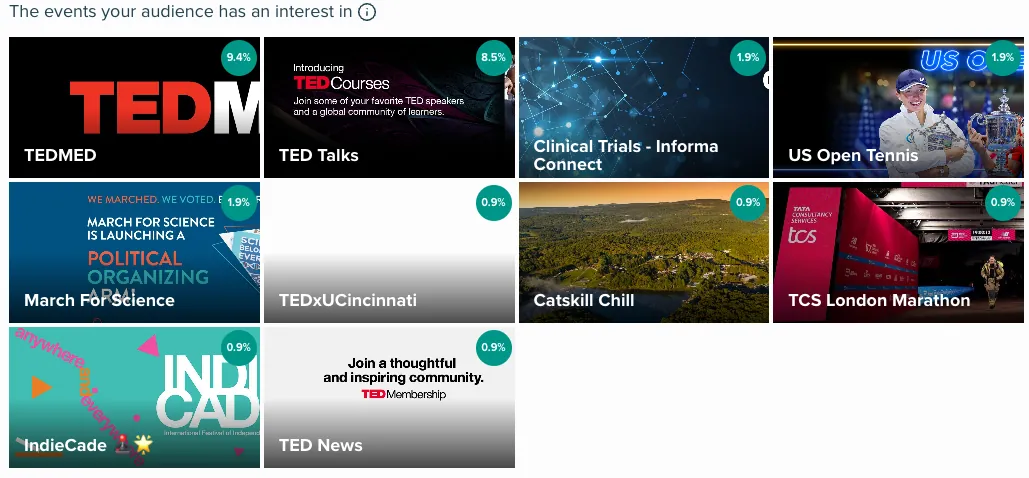
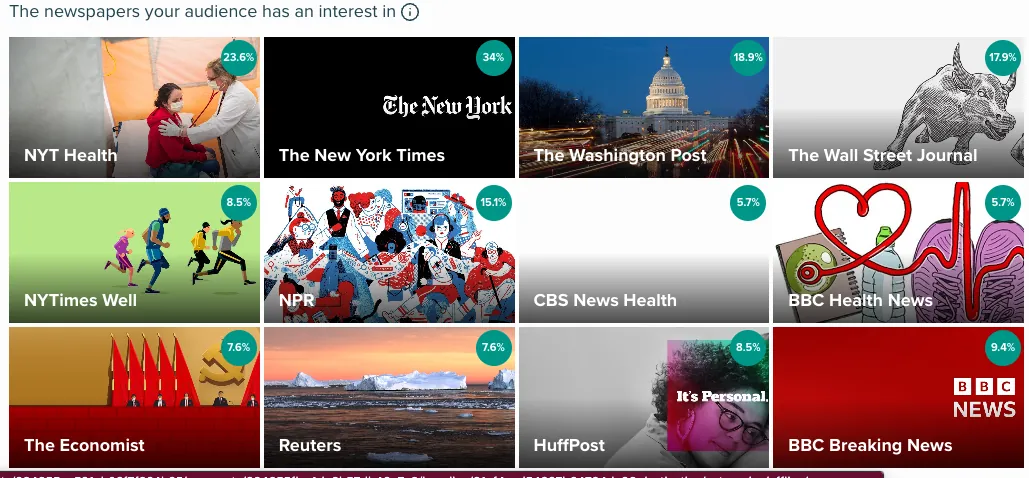
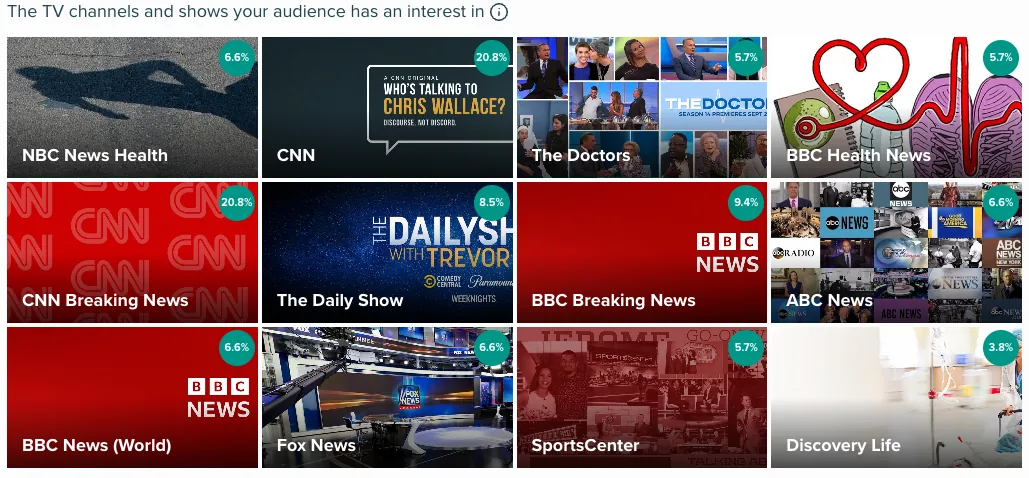
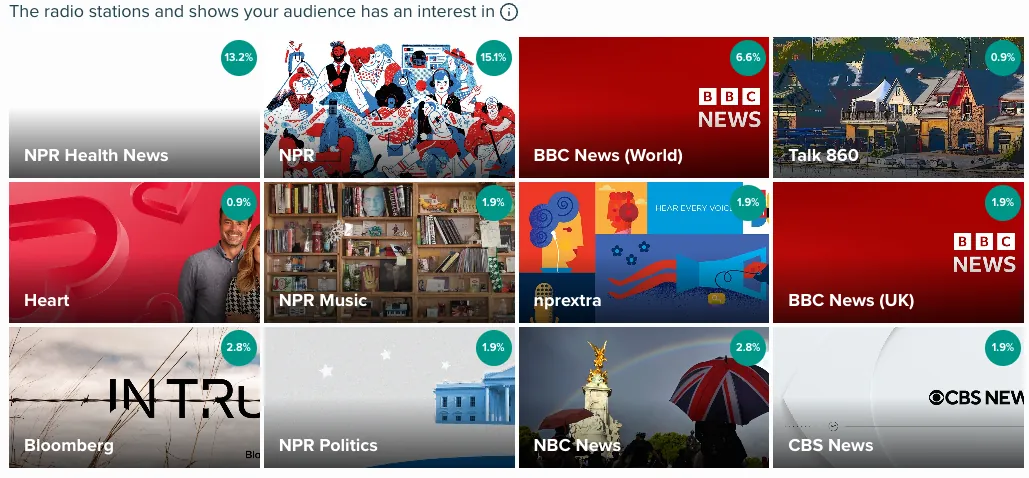
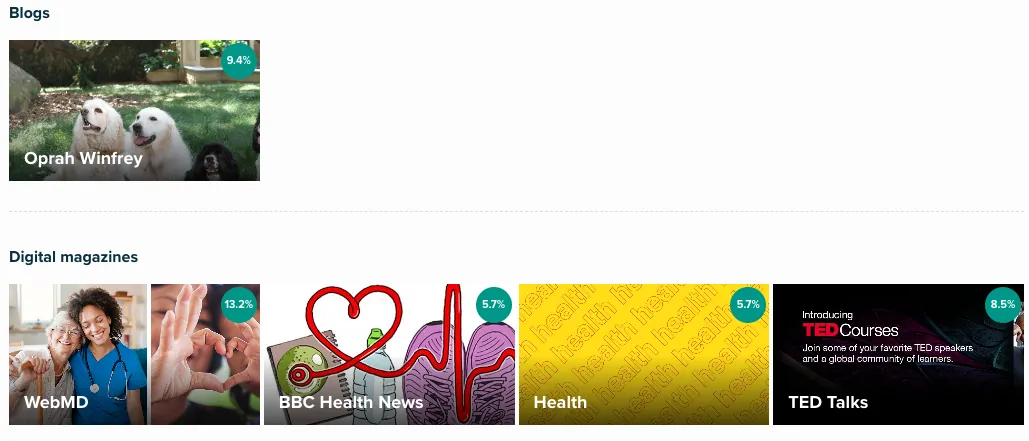
The audience profile extended beyond medical journals and professional societies. Health news, national newspapers, radio and digital publications also appeared, including NBC News Health, NPR Health News, WebMD and major news outlets.
This matters for content strategy because clinical audiences encounter information in several formats. Scientific detail, a clinician interview and a plain-language explanation serve different purposes. The media analysis gave the launch team a broader set of formats and sources to consider when developing its communication plan.
HCP segmentation
The professional segmentation covered three contexts: major clinical centers, clinicians with a strong academic publication record, and small or midsize hospitals. This structure helped organize the profile review around the different environments in which clinicians worked and shared knowledge.
We then examined their public clinical viewpoints. The questions were specific: how did they discuss surgical margins, what role did new technology play in their work, and how did they balance guidelines with patient-specific decisions? This added a behavioral layer to the professional profile.
Clinicians working at large institutions such as Mayo Clinic. Their profiles provided context on specialist practice, research activity and the educational content shared by major centers.
Clinicians with a substantial publication record. Reviewing their papers and public commentary helped connect clinical viewpoints to the research and evidence they discussed.
Clinicians in smaller institutional settings. Including this context broadened the review beyond prominent research centers and kept the segmentation attentive to different practice environments.
These are professional lenses, not mutually exclusive groups or measured population shares.
Tech-driven effectiveness
This persona centered on clinical effectiveness, research and technologies that support decisions during surgery. The profile emphasized margin assessment and reducing the need for additional procedures.
Communication direction: explain the evidence, intended use and role of the device within the surgical workflow.
The “just right” approach
This persona emphasized individualized treatment, tissue preservation and the balance between disease control and patient experience. Public discussions included oncoplastic approaches and decisions tailored to each case.
Communication direction: connect the technology to patient-specific clinical scenarios and the outcomes clinicians are trying to balance.
Strict-guidelines
This persona emphasized safety, established guidelines and practical clarity. It brought implementation questions into the segmentation: how a device fits existing routines and what clinicians need to understand before changing practice.
Communication direction: provide clear evidence, practical education and a concrete explanation of workflow fit.
Qualitative synthesis from the original persona report. The Strict-guidelines persona was informed partly by other clinicians’ accounts.
Audience profile
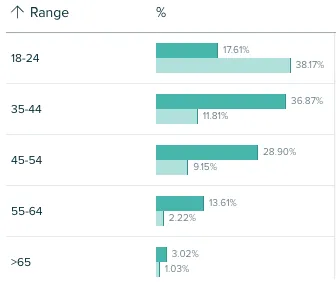
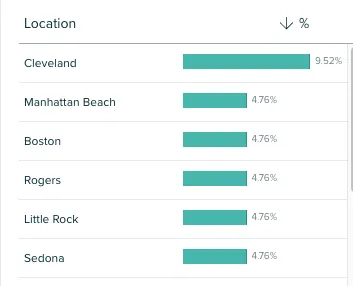
The demographic and location estimates added context to the professional network. They helped describe the analyzed audience, while the clinician review supplied the clinical detail needed for segmentation. The two sources served different purposes within the study.
These charts are platform-derived estimates for the sampled social audience. They are useful for interpreting this profile and should not be treated as a census of US oncologists or as verified individual clinician demographics.

Research methodology
The study connected quantitative digital audience analysis with qualitative review of publicly available clinician material. Network and affinity data described the audience at a group level. Publications, interviews and public discussions added the detail needed to build clinician profiles and interpret differences in clinical priorities.
Public Twitter profiles, following and follower relationships, clinician posts, published research, interviews, congress material, and content from clinical institutions and professional organizations. Twitter is now known as X.
Profile discovery combined automated collection with manual assessment of clinician relevance. Audiense supported quantitative audience profiling and affinity analysis. A qualitative review examined 16 physicians’ public digital footprints, and the research report included 14 detailed clinician profiles. Findings were organized into professional contexts and qualitative personas to support launch communication planning.
This historical study focused on a breast-care clinician audience. Affinities represent platform-estimated connections or interests, rather than verified consumption, endorsement or adoption. Professional contexts may overlap, and the qualitative personas do not represent measured population shares. The deliverables supported audience understanding and launch planning; campaign performance and commercial launch outcomes were outside this case study.
Free research report
Get the 18-page report with the research objective, methodology, audience analysis, professional segmentation, qualitative personas and launch implications.
HCP Research
Tell us the decision, audience and timeline. We will propose a research scope and deliverables.